Advice
Expert Men's Health Questions? Get Answers From Our Nutritionists

How can I boost my energy levels?
Nutrition plays a crucial role in maintaining consistent energy throughout your day. Focus on balanced meals combining complex carbohydrates, lean proteins, and healthy fats. Avoid sugar crashes by eating regular meals every three to four hours. Incorporate iron-rich foods like red meat, spinach, and legumes, as iron deficiency commonly causes fatigue in men. Stay hydrated consistently, as dehydration significantly impacts energy levels and mental clarity.
What foods improve muscle growth and recovery?
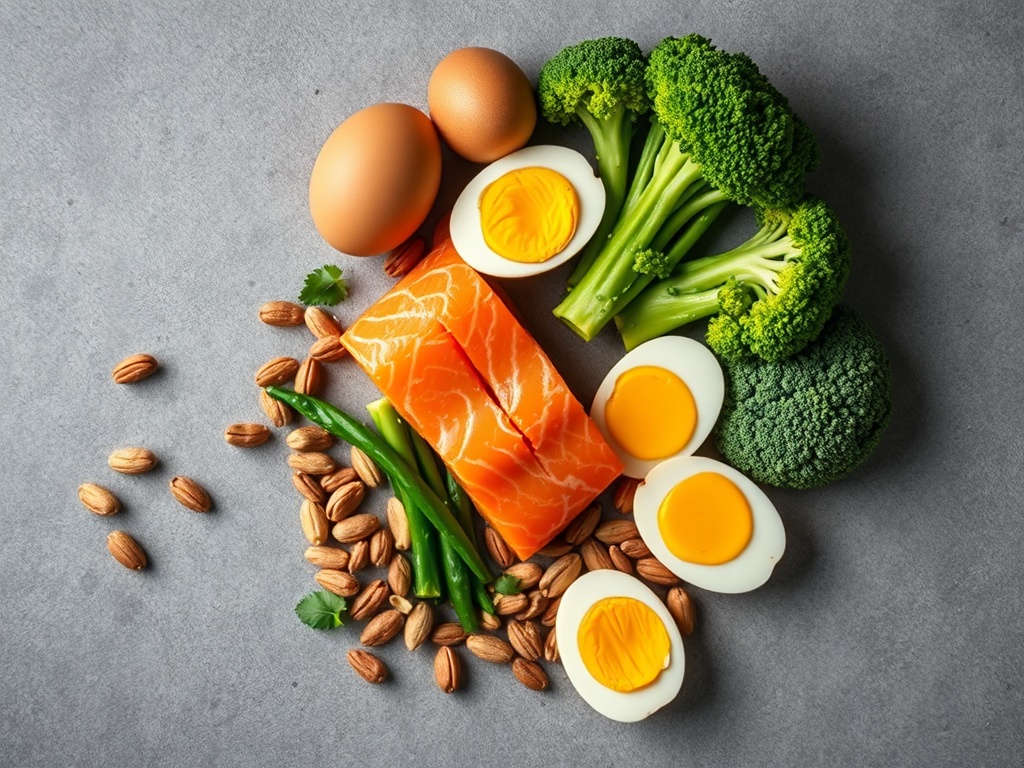
Building lean muscle requires adequate protein intake and strategic nutrition timing. Consume high-quality protein sources including chicken, fish, eggs, and Greek yogurt with each meal. Include amino acid-rich foods to support muscle protein synthesis. Add complex carbohydrates like oats and sweet potatoes for energy during workouts. Don't forget healthy fats from nuts, avocados, and olive oil to support hormone production and reduce inflammation after intense training sessions.
Which nutrients are most important for men's heart health and longevity?
Cardiovascular health depends on several key nutrients including omega-3 fatty acids from fish and flaxseeds, fiber from whole grains and vegetables, and antioxidants from berries and dark leafy greens. Limit sodium intake and reduce saturated fats to maintain healthy blood pressure and cholesterol levels. Include potassium-rich foods like bananas and sweet potatoes for heart rhythm regulation. Regular consumption of garlic and dark chocolate provides additional cardiovascular benefits.
How does nutrition affect testosterone levels naturally?
Natural testosterone optimization requires specific nutrients and dietary patterns. Ensure adequate zinc intake through oysters, beef, and pumpkin seeds, as zinc is essential for testosterone production. Include vitamin D from sunlight exposure and fatty fish. Maintain healthy body weight through balanced nutrition, since excess body fat can reduce testosterone. Avoid excessive alcohol consumption and processed foods. Include cruciferous vegetables for hormone balance and consider strength training combined with proper nutrition.
What's the best approach to weight management for men?
Sustainable weight management combines proper nutrition with lifestyle changes. Focus on whole foods, lean proteins, and abundant vegetables rather than restrictive dieting. Calculate your daily caloric needs and create a modest deficit of 300-500 calories for gradual weight loss. Increase protein intake to preserve muscle mass during weight loss. Drink plenty of water, eat fiber-rich foods for satiety, and avoid liquid calories from sugary drinks. Consistency matters more than perfection.
How can I improve digestive health through nutrition?
Optimal digestive health starts with adequate fiber intake from whole grains, vegetables, fruits, and legumes. Include fermented foods like yogurt, kefir, and sauerkraut containing beneficial probiotics. Stay well-hydrated to support digestive processes and prevent constipation. Limit inflammatory foods including processed items and excessive sugar. Eat slowly and chew thoroughly to aid digestion. Consider ginger, turmeric, and peppermint tea for digestive support. Avoid eating too close to bedtime.
Ready to transform your health? Schedule your personalized nutrition consultation today.
What about mental health and brain nutrition?
Brain health depends on proper nutrition including omega-3 fatty acids from salmon and walnuts, B vitamins from whole grains and leafy greens, and antioxidants from blueberries. Maintain stable blood sugar through balanced meals to support cognitive function and mood. Include foods rich in choline like eggs and nuts for memory support. Stay hydrated since even mild dehydration affects concentration. Reduce processed foods and added sugars that can impair mental clarity and emotional stability.
How should I adjust my diet for better sleep quality?
Quality sleep requires strategic nutritional choices made throughout the day and especially before bedtime. Avoid caffeine after early afternoon as it interferes with sleep onset. Include magnesium-rich foods like almonds, spinach, and pumpkin seeds to promote relaxation. Eat tryptophan-containing foods such as turkey, chicken, and dairy products. Have a light snack combining complex carbs and protein two hours before bed. Avoid heavy, spicy meals close to bedtime that can cause discomfort.
What's the role of hydration in men's overall health and performance?
Proper hydration is fundamental to all bodily functions and athletic performance. Drink water consistently throughout the day, aiming for at least eight to ten cups daily, adjusting for activity level and climate. Monitor urine color as a hydration indicator—pale yellow suggests adequate hydration. Dehydration impairs cognitive function, athletic performance, and energy levels significantly. Include water-rich foods like cucumbers, watermelon, and oranges. Avoid excessive caffeine and alcohol that promote dehydration.
Which supplements do men actually need to consider?
While whole foods provide optimal nutrition, certain supplements can fill specific gaps. Vitamin D supplementation is beneficial, especially if sun exposure is limited. Omega-3 supplements support heart and brain health if fish intake is low. Magnesium helps with sleep and muscle recovery. Consult with a nutritionist before starting supplements, as individual needs vary greatly. Quality matters significantly—choose reputable brands with third-party testing. Remember that supplements complement, not replace, healthy nutrition.
How does alcohol affect men's health and nutrition?
Excessive alcohol consumption significantly impacts men's health and nutritional status. Alcohol provides empty calories without nutritional value and can impair nutrient absorption. Heavy drinking affects liver function, hormone production including testosterone, and sleep quality. It increases inflammation throughout the body and can contribute to weight gain and muscle loss. Limit consumption to moderate levels—no more than two drinks daily. Pair alcoholic beverages with food and stay hydrated to minimize negative effects.
What pre- and post-workout nutrition strategies work best?
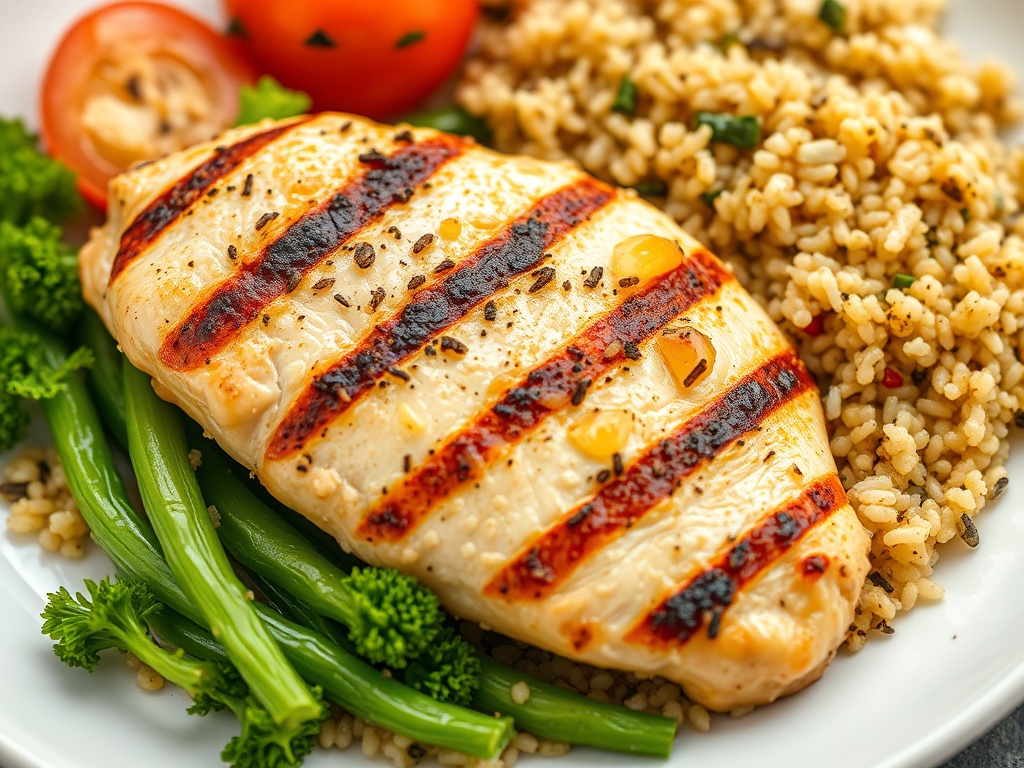
Strategic nutrition around workouts maximizes performance and recovery. Before exercise, consume a small meal combining carbohydrates and protein one to two hours prior. Include carbs for energy and protein for muscle support during training. Post-workout nutrition is equally important—consume protein and carbohydrates within one hour to aid recovery. A simple recovery meal might include chicken with rice or yogurt with fruit. Stay hydrated throughout, drinking water before, during, and after exercise.


Start your men's health transformation today
Expert nutritionist guidance for optimal male wellness and vitality.